Foundations Built Before Coating Ever Touches
Exterior Surface Preparation in Augusta for failing paint, damaged wood, adhesion problems, and surfaces needing repair before recoating
Augusta's freeze-thaw cycles and humidity extremes cause exterior paint to crack, peel, and separate from underlying substrates, exposing wood to moisture infiltration that accelerates rot. Picture Perfect Pro Painting scrapes failing coatings, sands rough surfaces, fills gaps with caulking, primes bare wood, and repairs damaged areas before any finish paint touches the exterior. Proper preparation determines whether new paint lasts two years or fifteen, since coatings applied over compromised surfaces fail regardless of paint quality.
The preparation process identifies problem areas where moisture has already damaged wood or where previous coatings weren't applied correctly, addressing root causes rather than covering them with another layer that peels just as quickly. Scraping removes loose material down to soundly adhered paint or bare wood, eliminating edges that telegraph through fresh coatings and create visible lines after the new paint dries.
Request an exterior project evaluation to identify preparation requirements and understand what your property needs before paint application begins.
Foundations Built Before Coating Ever Touches
Exterior Surface Preparation in Augusta for failing paint, damaged wood, adhesion problems, and surfaces needing repair before recoating
Augusta's freeze-thaw cycles and humidity extremes cause exterior paint to crack, peel, and separate from underlying substrates, exposing wood to moisture infiltration that accelerates rot. Picture Perfect Pro Painting scrapes failing coatings, sands rough surfaces, fills gaps with caulking, primes bare wood, and repairs damaged areas before any finish paint touches the exterior. Proper preparation determines whether new paint lasts two years or fifteen, since coatings applied over compromised surfaces fail regardless of paint quality.
The preparation process identifies problem areas where moisture has already damaged wood or where previous coatings weren't applied correctly, addressing root causes rather than covering them with another layer that peels just as quickly. Scraping removes loose material down to soundly adhered paint or bare wood, eliminating edges that telegraph through fresh coatings and create visible lines after the new paint dries.
Request an exterior project evaluation to identify preparation requirements and understand what your property needs before paint application begins.
What Changes After Preparation Completes
Customized preparation matches the scope to each property's condition—homes with well-maintained exteriors need less scraping and sanding than properties where paint has failed across large sections. Caulking fills gaps around windows, doors, and trim joints where air and water infiltration occur, while priming seals bare wood and creates uniform absorption so topcoats don't show blotchy coverage over patched areas.
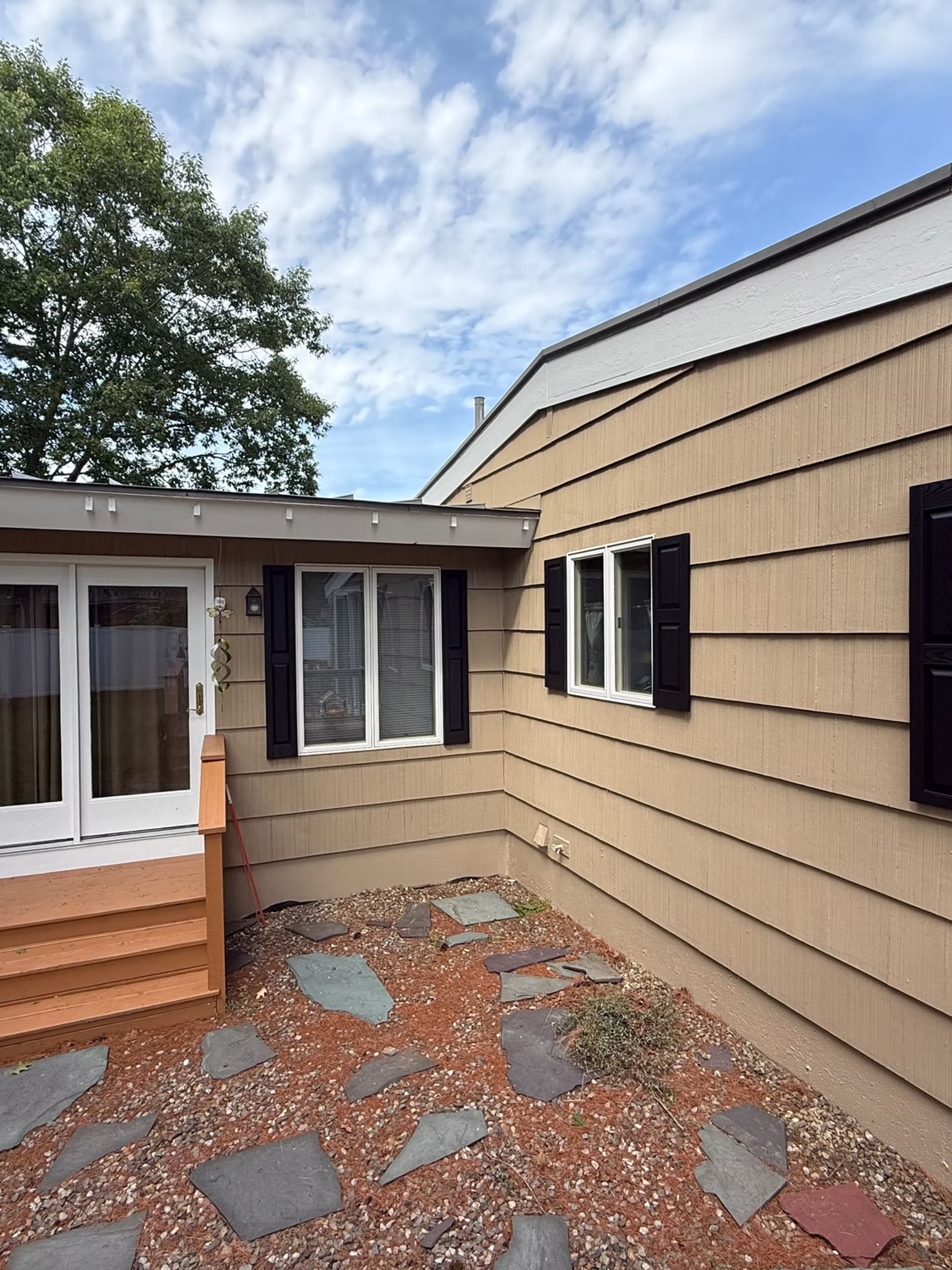
After preparation work finishes, you'll notice surfaces that feel smooth to the touch instead of rough with peeling edges, trim joints sealed against moisture intrusion, and primed areas that blend visually with surrounding painted sections. The exterior looks ready for coating rather than patched together, and new paint adheres directly to stable substrate instead of sitting on top of material that's already separating.
Quality preparation takes longer than rushing straight to paint application, but shortcuts guarantee early coating failure. Picture Perfect Pro Painting prioritizes preparation over speed, understanding that time invested in substrate work extends finish longevity far beyond what premium paint alone can accomplish over poorly prepared surfaces.
Common Questions About This Service
Understanding why preparation matters and what it involves helps property owners recognize the difference between thorough work and surface-level shortcuts.
What happens during surface preparation?
Failing paint is scraped away until only soundly adhered coating or bare wood remains, rough areas are sanded smooth, damaged wood sections are repaired or replaced, all gaps and cracks are caulked, and bare wood receives primer before any finish paint application.
How does preparation prevent early paint failure?
New coatings bond mechanically to the surface underneath them, so paint applied over loose or contaminated material simply adheres to that failing layer and peels away with it instead of bonding to stable substrate that holds the coating in place.
When should damaged wood be replaced instead of repaired?
Wood showing soft spots from rot, sections that crumble when scraped, or areas where moisture has penetrated deep into the grain all require replacement since coating over deteriorated wood just hides the problem until the rot spreads further.
Why does caulking matter before painting?
Gaps around trim, windows, and joints allow water infiltration that undermines paint adhesion from behind, causing coating failure that looks like poor paint quality but actually results from moisture trapped under the finish.
What preparation challenges do older Augusta homes present?
Properties built before modern moisture barriers often have siding nailed directly to sheathing without drainage planes, meaning water that gets behind the siding can't escape easily and accelerates wood deterioration that requires more extensive repair before recoating.
Picture Perfect Pro Painting invests time in proper preparation across Augusta exteriors, building the foundation that determines coating performance long after application finishes. Contact us to schedule an evaluation and understand what your property needs before painting begins.