Safe Coating Removal for Historic Properties
Lead Paint Removal & Industrial Coatings in Augusta for older residential and commercial properties requiring specialized surface preparation
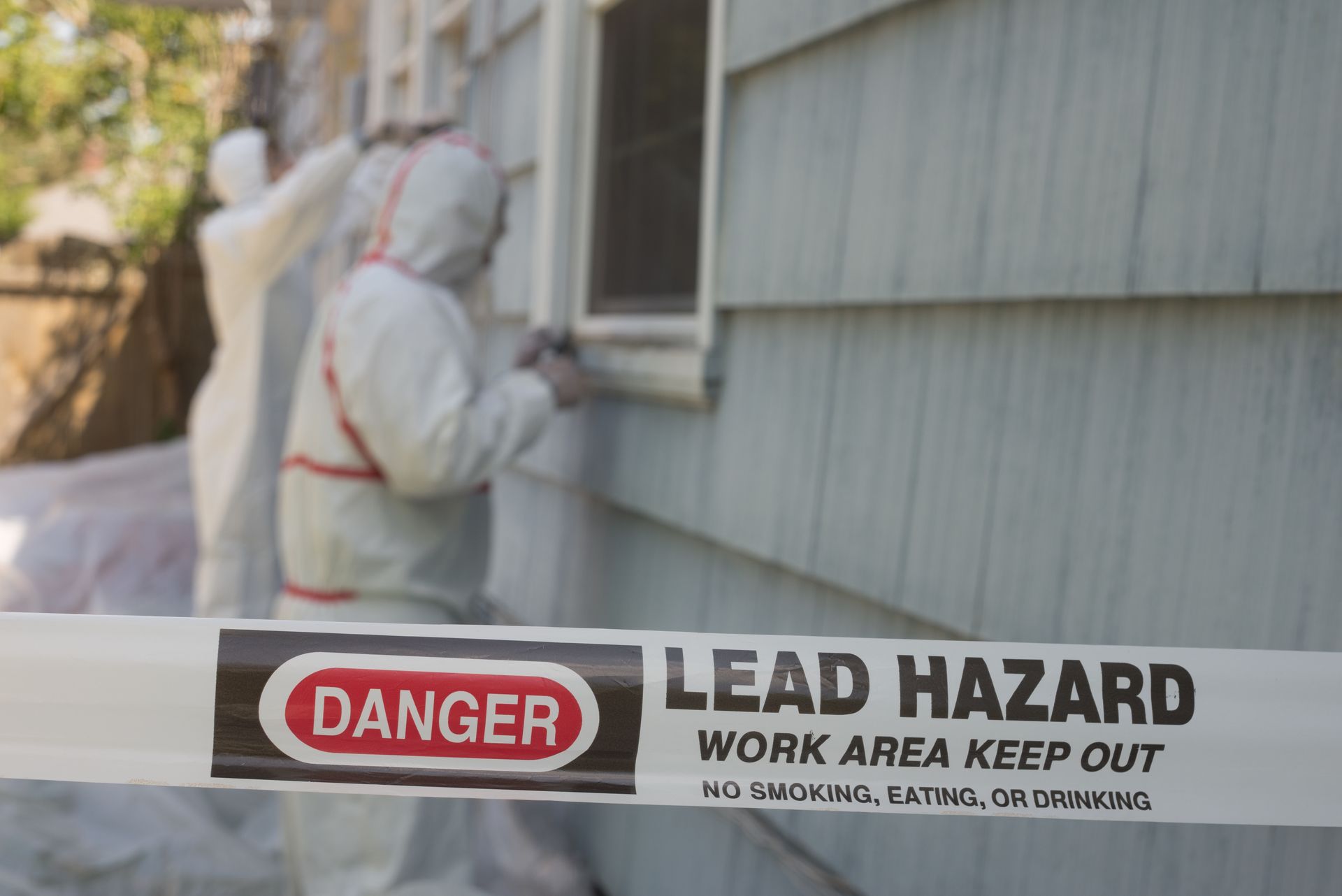
Homes and commercial buildings constructed before 1978 often contain lead-based paint on exterior trim, siding, and interior surfaces, requiring specific safety procedures during renovation and repainting projects to prevent contamination and health hazards. Picture Perfect Pro Painting evaluates existing coatings before restoration work begins, determining when specialized removal becomes necessary versus situations where encapsulation or careful surface preparation suffices. The approach depends on coating condition, substrate type, and how the space will be used after the project completes, with deteriorating lead paint requiring more aggressive intervention than stable layers that can be safely covered.
Safe removal practices involve containing work areas to prevent dust migration, using methods that minimize airborne particles, and disposing of collected waste according to regulatory requirements. The process may include chemical stripping that softens coatings for removal without creating dust, wet sanding techniques that keep particles from becoming airborne, or contained blasting for heavily deteriorated surfaces where other methods prove impractical. Surface preparation extends beyond removing old paint to include evaluating substrate condition, since decades of coating buildup often conceals wood deterioration or structural problems that must be addressed before refinishing.
Request a project consultation for specialized coating needs to determine the appropriate removal method and surface preparation approach.
When Projects Need Industrial-Grade Coatings
Industrial coatings serve environments where standard architectural paints fail prematurely from chemical exposure, extreme temperatures, abrasion, or continuous moisture contact. These specialized systems include epoxies formulated for concrete floors in commercial spaces, polyurethanes designed for metal surfaces exposed to corrosive conditions, and high-build products that provide barrier protection on industrial equipment. Coating selection depends on substrate material, environmental stressors, and performance requirements like chemical resistance or rapid cure times that allow faster return to service.
After industrial coating application finishes, surfaces withstand conditions that would quickly degrade conventional paints, maintaining both protective function and appearance despite demanding use. The coatings cure to hard, chemical-resistant films that clean easily and resist staining from oils, solvents, and other contaminants common in commercial and industrial settings. Properly applied systems last substantially longer than architectural coatings in harsh environments, reducing the frequency of maintenance cycles and minimizing operational disruption from repeated refinishing.
These services integrate with larger renovation and restoration projects, particularly when older commercial buildings undergo conversion to new uses or when equipment requires refinishing to extend service life. Surface preparation becomes critical for industrial coating performance, since inadequate cleaning or incomplete removal of previous coatings causes adhesion failures that compromise the entire system regardless of product quality. The work includes selecting appropriate primers and topcoats that function as integrated systems rather than treating each layer as an independent component, which ensures compatibility and maximizes performance in specialized applications.
What Customers Ask About Specialized Coatings
Questions about lead paint removal and industrial coatings focus on safety procedures, when specialized products become necessary, and how these services coordinate with broader renovation work.
What determines whether lead paint requires removal or can be covered?
Intact lead paint in good condition can often be encapsulated safely with appropriate primers and topcoats, while deteriorating paint that has begun chalking, flaking, or showing extensive wear generally requires removal to eliminate ongoing exposure risks and ensure proper adhesion of new coatings.
How does lead paint removal differ from standard paint stripping?
The work requires containment systems to prevent dust from spreading beyond work areas, uses methods that minimize airborne particle generation, involves specific disposal procedures for collected waste, and follows documented procedures that demonstrate compliance with safety requirements rather than simply removing old coatings efficiently.
When do projects need industrial coatings instead of architectural paint?
Environments with chemical exposure, extreme temperatures, continuous moisture contact, heavy abrasion, or rapid cure requirements typically exceed what standard paints can handle, requiring specialized formulations designed for those specific stressors rather than general-purpose coating systems.
What surface preparation do industrial coatings require?
These systems demand more thorough substrate preparation than architectural paints, often requiring complete removal of previous coatings, profile creation through abrasive blasting or grinding, and extensive cleaning to remove all contamination that would compromise adhesion in demanding service conditions.
How do specialized coating projects integrate with renovations?
Lead paint evaluation happens early in project planning to determine removal requirements and associated costs before other work begins, while industrial coating selection coordinates with equipment specifications, operational schedules, and cure time requirements that affect when spaces can return to normal use after application completes.
Picture Perfect Pro Painting handles both safe lead paint removal for historic properties and industrial coating applications for demanding environments, coordinating specialized work with broader renovation goals. Arrange a detailed consultation to discuss your project's specific coating challenges and determine the appropriate approach for long-term performance.